Coworking for Fintech and D2C Teams: What to Look for Beyond a Desk
Published on October 23, 2026

Published on October 23, 2026
Fintech and direct-to-consumer businesses operate in different markets, but their workspace requirements can overlap. Both may need teams that coordinate across departments, meet external partners and respond quickly to changing business priorities.
A fintech company may require private discussions, secure working practices and reliable technology infrastructure. A D2C business may need marketing, operations, customer support and product teams to collaborate regularly. As these companies grow, a desk alone may no longer be enough.
When choosing coworking or a managed office, businesses should evaluate how the workspace supports their actual operations rather than focusing only on its appearance or location.
Connectivity and power are essential for teams working with cloud platforms, digital tools, customer systems and online meetings.
Before selecting a workspace, ask about internet reliability, backup arrangements, IT support and how technical issues are handled. Businesses should also understand whether they can use their own network equipment or require specific configurations.
For fintech teams, workspace selection should be part of a wider security review. A coworking provider's facilities do not automatically make a business compliant with its regulatory or data-protection obligations. Companies should assess their own access controls, device policies, network security and confidentiality procedures.
A site visit can help teams check the practical working environment, but sensitive operational requirements should also be discussed with the provider in advance.
An open coworking environment can encourage collaboration, but some conversations require privacy. Financial reviews, partner discussions, recruitment interviews and sensitive client calls are easier to manage in an enclosed setting.
A private cabin can provide a dedicated area for a small team or individual. Businesses looking for a private office space should consider room size, ventilation, furniture, sound privacy and the distance from shared areas.
For larger teams, managed office space with private cabins can provide a combination of dedicated workstations and enclosed rooms. The layout should reflect how the team operates: employees may need open collaboration areas, private cabins and rooms for scheduled discussions.
Before signing an agreement, confirm whether the provider allows the required seating configuration and whether any layout changes involve extra costs.
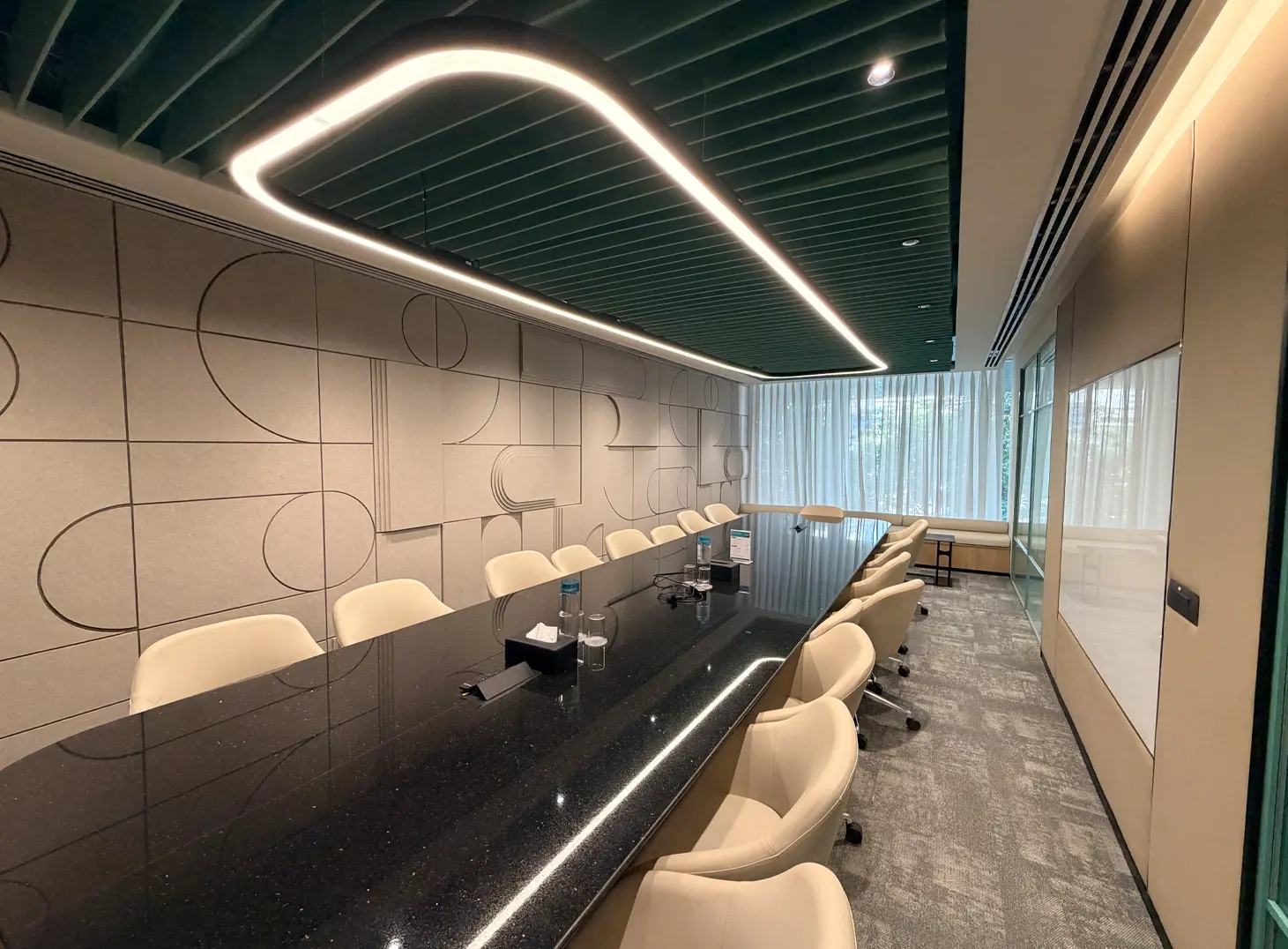
Meeting rooms are important for teams that work with clients, vendors, investors and internal stakeholders. A room that supports a clear conversation can improve the quality of a meeting and reduce interruptions.
When evaluating meeting rooms, check:
A smaller meeting room may be sufficient for interviews and routine discussions. Larger conference rooms may be more appropriate for presentations, planning sessions and workshops.
Businesses should not assume that every coworking membership includes unlimited meeting room usage. Confirm the allocation, booking process and rates before making a decision.
Some businesses occasionally need more space than a standard meeting room provides. Conference halls can support company-wide meetings, training programmes, presentations and partner events.
Fintech companies may use larger rooms for internal training or stakeholder sessions. D2C businesses may require a venue for marketing planning, team workshops or discussions with external partners.
When booking a conference hall, check the maximum practical capacity, seating layout, audio-visual equipment, accessibility, refreshments and setup time. It is also useful to confirm whether staff will be available to assist with technical requirements.
The venue should match the purpose of the session. A room that is too large can feel disconnected, while a crowded room can make discussions uncomfortable.
Work does not happen only at desks. Teams need places to take breaks, have informal conversations and recharge during the day.
A cafeteria coworking facility can make daily routines more convenient, particularly for employees who spend most of the day at the office. Shared areas can also create opportunities for informal interaction between colleagues.
However, businesses should evaluate the actual facilities rather than relying on generic amenity lists. Check seating availability, cleanliness, operating hours and whether food and beverages are included or charged separately.
For teams working long hours, comfortable common areas can contribute to a more practical workplace experience.
Before shortlisting a workspace, consider the following:
The right workspace should support the team's daily routine while allowing the business to focus on its core priorities.
Businesses evaluating coworking or managed offices can start by defining their infrastructure, privacy, meeting and team-size requirements. This makes it easier to shortlist spaces that fit actual operational needs.
Visit Spring House workspaces to explore available workspace formats and enquire about options for your team.
A private cabin can support focused work and confidential discussions. Fintech businesses should still implement their own security and compliance controls.
It depends on the provider and membership. Some plans include limited usage, while additional bookings may cost extra.
Conference halls are useful for larger meetings, training sessions, presentations and workshops that require more space than a standard meeting room.
They should consider reliable infrastructure, collaboration areas, meeting facilities, employee comfort, privacy and room for future growth.
Suggested meta title: Coworking for Fintech and D2C Teams: Key Facilities
Suggested meta description: Learn how fintech and D2C businesses can evaluate coworking spaces for infrastructure, private cabins, meeting rooms and everyday team needs.


